

It often starts with something small. A tooth comes in at an odd angle, crowding becomes more noticeable, or a bite looks different than it used to. These changes do not happen overnight, but once daily routines settle in, they are easier to see.
That is when families begin to recognize signs that their child may need braces, even if everything seemed fine not long ago.
Why orthodontic changes are easier to notice once routines return
Orthodontic concerns do not develop suddenly. Teeth and jaws change gradually as children grow. During busy stretches like late fall and the holiday season those changes are easy to overlook.
Once routines settle back in, parents may begin to notice:
- Teeth shifting or overlapping
- Changes in how the upper and lower teeth fit together
- A bite that looks different than it used to
These observations do not mean something went wrong. They simply reflect normal growth becoming more visible.
Common signs your child may need braces
Braces are not only about straightening teeth. Orthodontists look at how teeth, jaws, and bites function together. Common signs your child may need braces include:
Crowded or overlapping teeth
When permanent teeth do not have enough space to come in properly, crowding can occur. This can make brushing and flossing more difficult.
Teeth that do not meet evenly
If the top and bottom teeth do not align properly when biting down, it may indicate a bite issue that benefits from orthodontic guidance.
Early or delayed loss of baby teeth
The timing of baby tooth loss plays a key role in how permanent teeth erupt. Losing teeth too early or holding onto them too long can affect alignment.
Jaw fatigue or mouth breathing
Bite and alignment issues can contribute to jaw strain, clenching, or mouth breathing as children grow.
Teeth shifting after previously appearing straight
Parents are often surprised when teeth that once looked fine begin to move as jaw growth continues.
Why pain is not always a warning sign
There are orthodontic concerns that cause no discomfort at all, especially in children. Alignment and bite issues are often painless, which is why they can go unnoticed for so long.
Orthodontic evaluations focus on development and function, not just symptoms. A child can feel perfectly fine and still show signs your child may need braces.
What Dr. Tripp looks for during an orthodontic evaluation
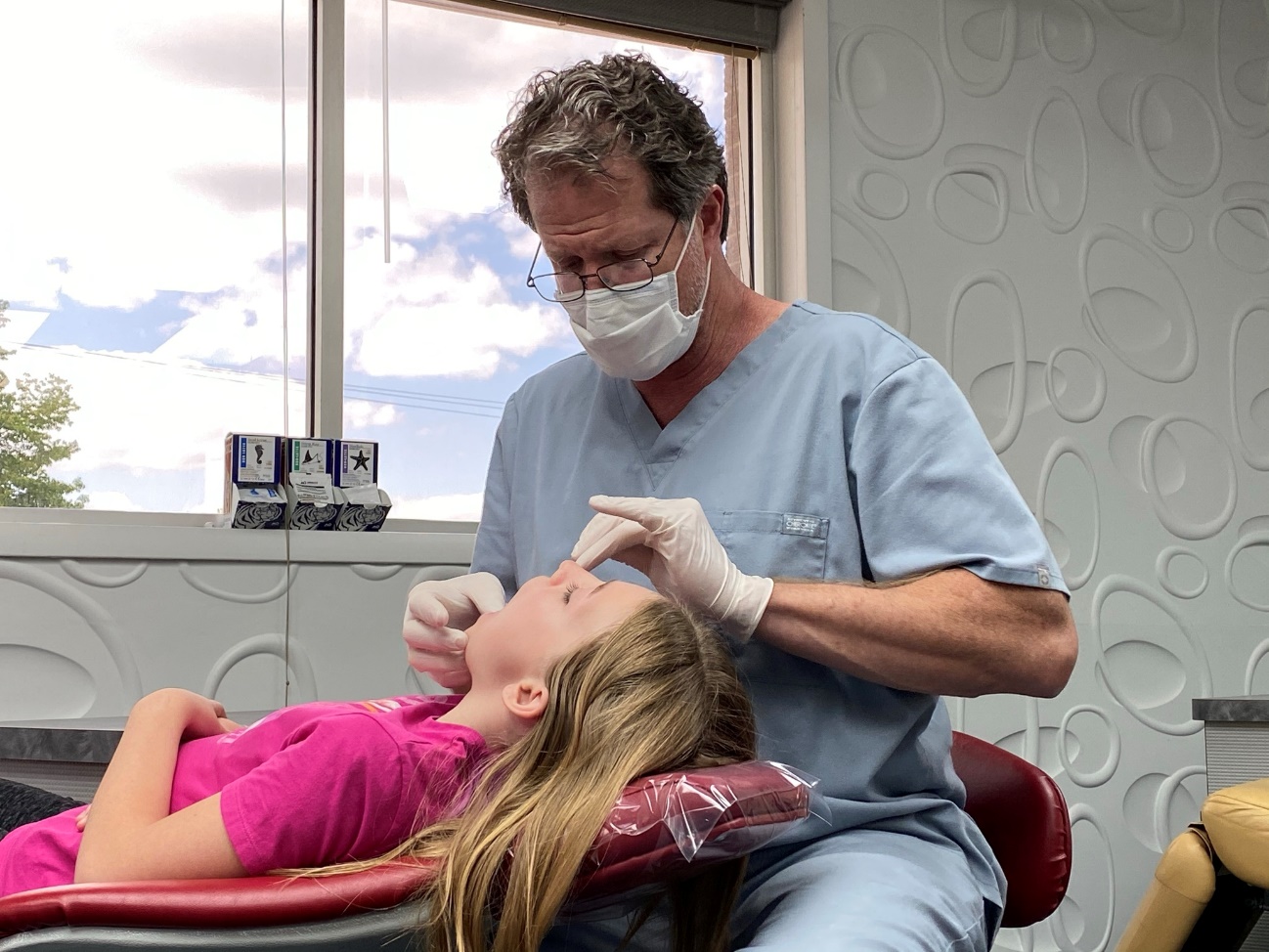
At Cobb Orthodontics, an orthodontic evaluation is about understanding how your child’s teeth and jaws are developing, not rushing into treatment.
Orthodontists receive years of additional specialized training beyond dental school, focusing specifically on tooth alignment, jaw development, and bite function. This specialized training allows orthodontists to evaluate growth and timing in ways that go beyond routine dental exams.
During an exam, Dr. Tripp evaluates:
- Jaw growth and development
- Tooth eruption patterns
- Bite alignment
- Spacing and crowding trends
Some children benefit from early treatment, while others are best monitored over time. Either approach begins with understanding what is happening now and planning appropriately for future growth.
Clear aligners and braces: options for growing smiles
When parents hear the word “braces,” they often picture traditional metal brackets. While braces remain an excellent option for children and teens, they are not the only treatment available.
Depending on your child’s age, growth stage, and orthodontic needs, treatment options at Cobb Orthodontics may include traditional braces or clear aligners. Clear aligners can be a good option for certain patients, particularly older children and teens who are able to follow wear instructions consistently.
Treatment recommendations are always based on what best supports your child’s long-term dental health and development.
How the Cobb Kids’ Program supports early monitoring
Orthodontic care for children often begins with observation rather than immediate treatment. We created the Cobb Kids’ Program to support children during key growth years by monitoring development over time.
Through the program, Dr. Cobb tracks:
- Jaw growth
- Tooth eruption
- Changes in bite alignment
This approach allows parents to stay informed without committing to treatment before it is needed, while ensuring no significant changes are missed.
When should parents consider scheduling a visit?
If you have noticed changes in your child’s teeth or bite or if something simply does not look quite right, an orthodontic evaluation can help clarify what’s normal growth and what may need attention.
Clarifying whether what you are seeing is part of typical development or one of the signs your child may need braces can help parents move forward with confidence.
Orthodontic consultations at Cobb Orthodontics are complimentary, so families can get answers and guidance without any obligation.
A helpful next step for parents
If you have questions about your child’s bite, spacing, or tooth development, an orthodontic evaluation at Cobb Orthodontics can help you understand what is happening now and what to expect as your child grows. A referral from your family dentist is not required to schedule an orthodontic evaluation.
Visit our home page to learn more about Cobb Orthodontics’ January savings for new patients.
0 Comments