

Getting braces can bring a mix of feelings for a child or teen. Some may look forward to starting treatment and seeing their smile change, while others may feel nervous or self-conscious about how they will look or what their friends and classmates will say.
Many kids adjust to braces with time, and many discover that braces are common among their classmates. Still, some children may hear comments about their braces, elastics, expander, or another orthodontic appliance that make them feel embarrassed or singled out.
October is National Bullying Prevention Month, a time to raise awareness about bullying and encourage kindness, acceptance, and inclusion. It is also a good opportunity to talk about braces bullying and what parents can do when comments about orthodontic treatment go beyond simple curiosity or occasional teasing.
At Cobb Orthodontics, we want children and teens to feel comfortable not only with the smile they are working toward, but also with themselves throughout treatment.
When Does Teasing Become Bullying?
Kids notice changes in one another, so it is not unusual for a child who just got braces to hear questions or comments from classmates.
“Do braces hurt?”
“How long do you have to wear them?”
“Why do you have to wear them?”
Many questions are simply curiosity. Even a comment that hurts your child’s feelings is not necessarily bullying.
According to StopBullying.gov, bullying involves unwanted aggressive behavior, a real or perceived imbalance of power, and behavior that is repeated or has the potential to be repeated. It can include name-calling, teasing, deliberately embarrassing someone, excluding them, or targeting them online.
That distinction matters. An awkward or insensitive comment may call for reassurance and a simple response, while repeated or intimidating behavior may require help from adults.
Why Braces Can Make Some Kids Feel Self-Conscious
Children and teens can be very aware of changes in their appearance, especially when they think those changes make them stand out.
Braces may suddenly be the first thing they notice when they look in the mirror. An expander can make speech sound a little different while a child adjusts. Elastics or other appliances may also be noticeable when they talk or smile.
A child who is normally comfortable in front of a camera may become reluctant to smile for pictures. Another may worry about walking into school for the first time after getting braces.
Parents do not need to dismiss those concerns or immediately try to talk a child out of them. Sometimes simply acknowledging that it can feel strange to look or sound different for a while can help.
It can also help to remind children that orthodontic treatment is temporary and has a purpose. They are going through a process designed to improve the health, function, and appearance of their smile over time.
Give Your Child an Easy Answer to Questions
Children can feel more comfortable when they know what they want to say if someone asks about their braces or appliance.
The answer does not have to be complicated. Depending on the situation, they might say:
- “They are helping straighten my teeth.”
- “I have to wear them for a while, but they are temporary.”
- “It is an expander. It is helping make room for my teeth.”
- “I got to choose the colors.”
A child does not need to give classmates a detailed explanation of orthodontic treatment. A short answer can satisfy genuine curiosity and make it easier to move on to another subject.
Parents can even practice a few responses at home if a child is especially nervous about returning to school after getting braces or another appliance.
Help Your Child Feel More Involved in Treatment
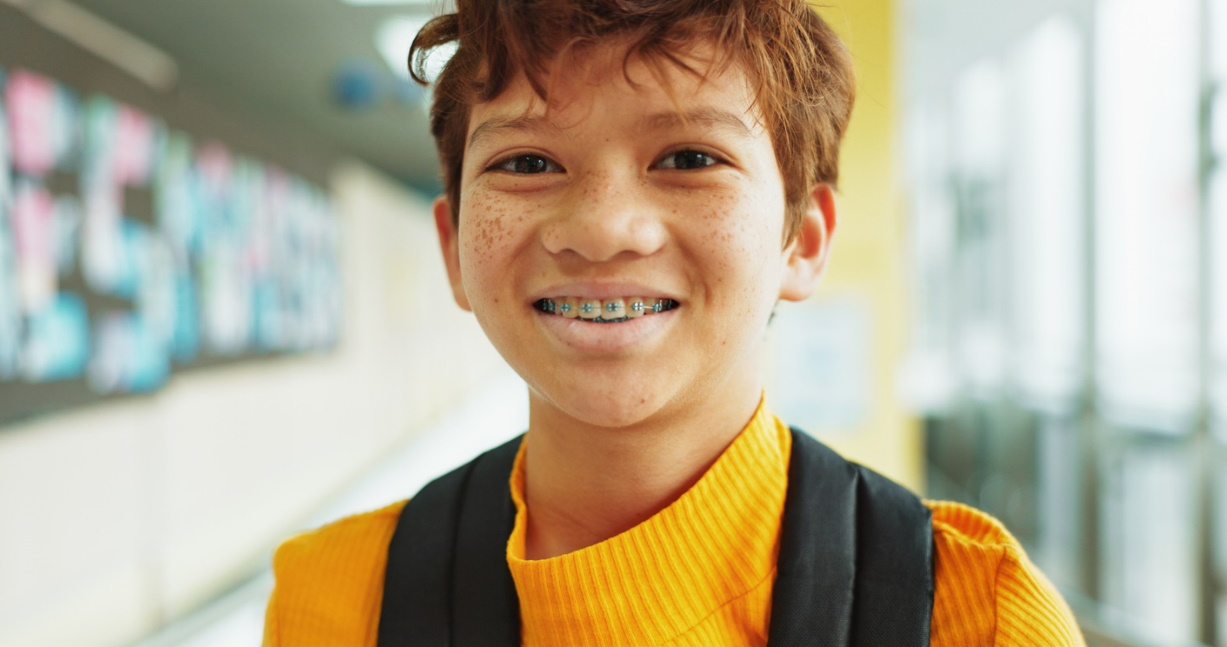
Giving children some choices can also help them feel more comfortable with treatment.
For children with traditional braces, choosing colors can be one of those choices. They may pick school colors, team colors, seasonal combinations, or simply a favorite color.
Cobb Orthodontics also offers WildSmiles designer braces, which let kids choose uniquely shaped brackets such as stars, hearts, footballs, or other designs. For some children, adding a little flair to their braces can make treatment feel more like something they chose to be part of.
Older children and teens may ask whether there are treatment choices that are less noticeable. Depending on their orthodontic needs, options may include clear braces, clear aligners, or other approaches.
Not every option is appropriate for every patient, but including your child in conversations about treatment can help them feel that they have a voice in the process.
Watch for Changes in Your Child’s Behavior
Children do not always come home and say that someone is bullying them.
You may notice changes instead. A child may suddenly become reluctant to go to school, stop spending time with certain friends, seem upset after using social media, or become unusually self-conscious about smiling or talking.
A child who previously seemed comfortable with braces may suddenly complain about how they look or repeatedly ask how soon treatment will be finished.
Those changes do not necessarily mean braces bullying is taking place, but they can be a reason to ask what is going on.
Try to give your child room to explain rather than jumping immediately to conclusions. You might ask whether anyone has been making comments about their braces, whether something happened at school, or whether they have been feeling uncomfortable around certain classmates.
Listening first can help you understand whether your child is dealing with an occasional insensitive remark or a pattern that needs more attention.
What Parents Can Do About Braces Bullying
If another child repeatedly makes fun of your child’s braces or appliance, deliberately embarrasses them, spreads comments about them online, or continues targeting them after being asked to stop, adults may need to become involved.
Start by listening. Ask your child what happened, where it happened, who was involved, and whether it has happened before. Try not to immediately tell your child what to do before you understand the situation.
Some children may feel comfortable calmly telling another child to stop or simply walking away. However, a child should not feel that they have to confront someone if doing so makes them uncomfortable or feels unsafe.
If the behavior is taking place at school, a teacher, counselor, coach, or administrator may need to know about it. For online bullying, save messages, posts, or screenshots and avoid responding or forwarding hurtful content.
Most importantly, make sure your child knows that telling a trusted adult is not the same as causing trouble. They should not feel that they have to handle persistent bullying on their own.
Confidence Is About More Than a Straight Smile
Orthodontic treatment can change a smile, but a child’s confidence should not depend entirely on how their teeth look.
Remind your child of the things that make them who they are, whether that is their sense of humor, creativity, kindness, athletic ability, musical talent, friendships, or interests.
It can also help to put braces in perspective. Orthodontic treatment is something many children and teens experience, and the braces or appliance they are wearing now are only one small part of their life.
Your child is not defined by their braces, and they should not feel that they have to hide their smile while they are wearing them.
Your Orthodontic Team Can Help, Too
If something about your child’s treatment is making them especially self-conscious, let us know.
Your child may be worried about how an appliance looks, whether it is supposed to be visible, how long a change in speech might last, or whether classmates will notice their elastics.
Sometimes understanding what is normal and knowing what to expect can make a child feel much more comfortable.
At Cobb Orthodontics, we also want children and teens to feel comfortable asking questions and being involved in their own care. Orthodontic treatment is easier when young patients understand what is happening and feel that their concerns are being heard.
Help Your Child Keep Smiling
National Bullying Prevention Month is a reminder that every child deserves to feel safe and accepted at school, online, and in the community. A child should not be made to feel embarrassed about braces or another appliance that is helping improve their oral health and smile.
If your child is being teased about orthodontic treatment, listen to what they are experiencing and help them decide what kind of support they need. An occasional comment may simply require reassurance and a confident response. When teasing becomes repeated, hurtful, or intimidating, adults may need to step in.
At Cobb Orthodontics, we are here to support your child throughout the orthodontic experience, not just on the day the braces come off. From our Greensboro and Randleman offices, we proudly serve children and teens from Greensboro, Randleman, Asheboro, and surrounding communities, helping them work toward healthy smiles while feeling comfortable and confident along the way.
0 Comments