

Halloween is the perfect time for things that are a little strange. Ghosts in the front yard, skeletons hanging from trees, vampire fangs, glowing pumpkins and enough fake teeth to fill an orthodontist’s waiting room.
But real teeth can be pretty strange, too.
Some people have extra teeth. Others are missing teeth they were supposed to have. A tooth can get stuck beneath the gums, grow in an unexpected direction or show up where you definitely would not expect to find it.
At Cobb Orthodontics, we spend a lot of time looking at teeth, so in honor of Halloween, we thought we would share some fun teeth facts about the weird and wonderful things that can happen inside your mouth.
Can You Really Have Extra Teeth?
Absolutely. Most adults have 32 permanent teeth if all four wisdom teeth develop, but occasionally someone gets a few extras.
Extra teeth are called supernumerary teeth, and they can develop in different areas of the mouth. Sometimes an extra tooth erupts normally and is easy to see. Other times, it stays hidden beneath the gums and is discovered on an X-ray.
An extra tooth can also get in the way of another permanent tooth that is trying to come in or contribute to crowding.
Having an extra tooth might sound unusual, but it is one of the many surprises that can be hiding beneath the surface of a smile.
Can a Tooth Grow in the Roof of Someone’s Mouth?
It sounds like something dreamed up for Halloween, but yes, a tooth can sometimes appear on the roof of the mouth.
One possible reason is a supernumerary tooth, an extra tooth that develops in addition to the usual number of teeth. Depending on where it develops and the direction it is pointing, an extra tooth can sometimes erupt through the roof of the mouth instead of along the normal row of teeth.
Permanent teeth can also erupt in unusual positions when there is not enough room for them or their path of eruption is disrupted. Upper canines, those naturally pointed teeth that make especially convincing vampire fangs at Halloween, can sometimes emerge toward the palate, or roof of the mouth, rather than in their expected position.
A canine erupting on the roof of the mouth is something an orthodontist should evaluate. Treatment will depend on where the tooth is positioned and how it affects the surrounding teeth and bite.
Can a Tooth Hide Under Your Gums?
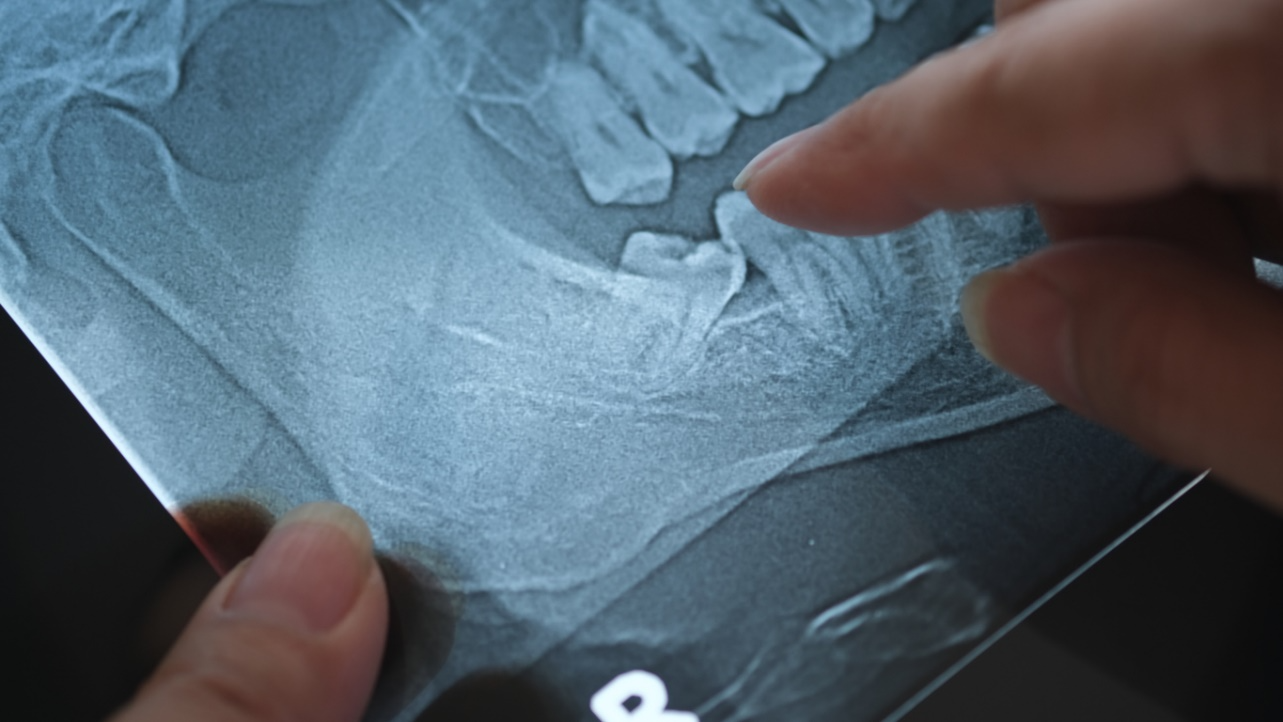
An impacted tooth is one that does not erupt normally and remains partially or completely trapped beneath the gum or in the jaw. Wisdom teeth are famous for doing this, but other permanent teeth can become impacted, too.
According to the American Association of Orthodontists, impacted teeth can remain stuck in the gum tissue or jawbone and do not always cause obvious symptoms. Upper canine teeth are among the teeth that can become impacted.
An impacted tooth does not necessarily announce itself with pain. Sometimes the first clue is simply that a permanent tooth has not appeared when expected.
That is one reason orthodontists pay attention to more than the teeth you can see. The position and development of teeth still beneath the gums can tell us quite a bit about what is happening with a growing smile.
Can You Be Born Without Some Permanent Teeth?
Extra teeth are strange enough, but the opposite can happen, too.
Some people never develop one or more permanent teeth. The baby tooth may remain in place longer than expected because there is no permanent tooth underneath waiting to replace it.
Missing permanent teeth can affect spacing and how the other teeth fit together. Depending on which tooth is missing and the individual smile, orthodontic treatment can be used to close the space or create and maintain the appropriate amount of room for another dental treatment.
In other words, sometimes orthodontics is about finding room for teeth. Other times, it is about deciding what to do with room where a tooth never arrived.
Why Are They Called Wisdom Teeth?
The name “wisdom teeth” has a surprisingly long history.
The ancient Greeks referred to these late-arriving molars with a term associated with wisdom, and the idea continued through later cultures and languages. The connection was largely about timing: third molars usually appear much later than the rest of our permanent teeth, traditionally at an age when a young person was thought to be reaching adulthood and gaining wisdom.
Even the Latin term dens sapientiae means “tooth of wisdom.” Eventually, English speakers began calling them wisdom teeth.
The teeth themselves are simply third molars, the last molars at the very back of the mouth. Most people can develop up to four, but not everyone does. Some people never develop one or more wisdom teeth, while others have wisdom teeth that remain hidden beneath the gums or become impacted.
So, these late arrivals have carried their rather distinguished name for centuries, even though to an orthodontist, they are simply third molars with a very old nickname.
Can Teeth Really Keep Moving?
They can.
Teeth are not permanently frozen in one position just because you have finished growing. They can shift throughout life in response to forces in the mouth and changes that occur over time.
It is also why retainers are such an important part of orthodontic treatment. After braces or clear aligners have done their job, retainers help maintain the new positions of the teeth.
So, when Dr. Tripp tells you to wear your retainer, that is not a Halloween trick.
Are Vampire Fangs Real Teeth?

Sort of.
Your upper canine teeth are probably the closest thing humans have to fangs. They are naturally more pointed than your other teeth and help with biting and tearing food.
Fortunately, human canines are considerably less dramatic than Dracula’s.
Canines are also important to the way your bite functions. Because of their position and long roots, they help guide the teeth as the jaw moves from side to side. That is one reason an impacted canine deserves attention when it does not erupt normally.
As for those extra-long vampire fangs you wear on Halloween? Thankfully, those come out after Halloween.
A Smile Can Hold a Few Surprises
These fun teeth facts may sound a little spooky, but extra teeth, missing teeth, hidden teeth and teeth coming in in unexpected places are all things orthodontists are trained to evaluate.
Orthodontic care is not only about making teeth look straighter. Dr. Tripp also evaluates how the teeth are developing, where they are positioned and how they fit together as part of a healthy bite.
Cobb Orthodontics has been creating smiles for children, teens and adults since 1966. With offices in Greensboro and Randleman, we also welcome patients from Asheboro and communities throughout the surrounding area If you have noticed a tooth coming in somewhere unexpected, a permanent tooth that has not appeared or something else unusual about your child’s smile, Dr. Tripp and our team would be happy to take a look.
And this Halloween, enjoy the ghosts, goblins and vampire fangs.
We’ll take care of the real teeth.
0 Comments